
Building operations
Review indoor particulate matter, carbon dioxide and other selected parameters in occupied spaces. Compare readings over time when investigating ventilation and indoor conditions.
Record selected air pollutants and environmental conditions with the Envitus Air Quality Monitoring System (AQMS). Configure indoor or outdoor devices around your site, then use shared dashboards, historical data and alerts to review the readings.
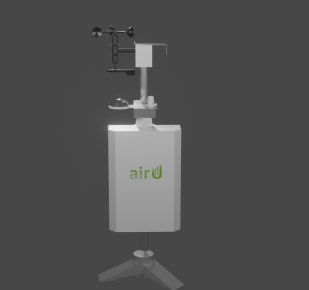
Start with the environment and the decision the measurements need to support. The sensor set, installation and reporting approach follow from that requirement.
Review indoor particulate matter, carbon dioxide and other selected parameters in occupied spaces. Compare readings over time when investigating ventilation and indoor conditions.
Collect local air quality observations across selected outdoor sites. Bring station data into a shared view for environmental assessment and reporting.
Define the pollutants, locations and operating conditions relevant to the site. Select sensors and enclosures around the monitoring objective and maintenance access.
Record measurements at defined intervals for later review. Agree the sampling approach, data fields and export requirements before installing devices.
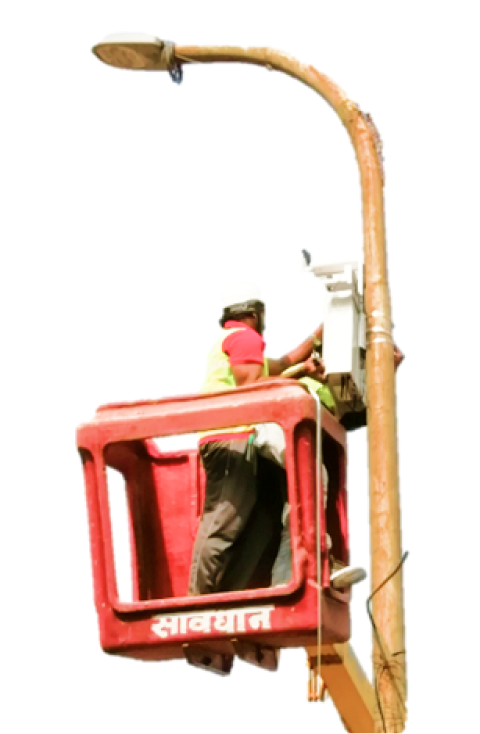
Monitor local air quality across urban and industrial sites using devices installed on suitable walls, poles or rooftops.
Enclosure options include IP54, IP65 and IP67, depending on the model. Select the device using its datasheet, site conditions and monitoring objective.
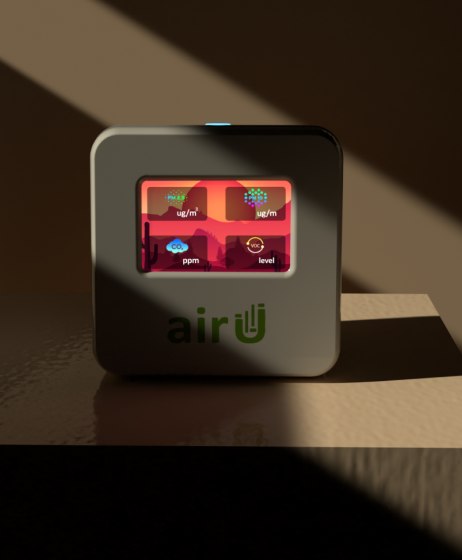
Compact devices support air quality monitoring in offices, homes and public buildings.
Available measurements include carbon dioxide (CO2), volatile organic compounds (VOCs) and particulate matter. The selected model determines the parameters and measurement ranges.
Select sensors, connectivity and power options around your required measurements, available infrastructure and installation conditions.
Choose wired or wireless links around the device and site infrastructure. Confirm supported interfaces, protocols and the role of each connection for the selected model.
Wired interfaces and protocols
Wireless communications
Confirm which links carry monitoring data and which interfaces support local device setup.
AC, DC and solar power configurations are available, depending on the device and installation requirements.
Choose the parameters relevant to your application. Sensor availability, measurement ranges and calibration requirements vary by configuration.
Review the parameter options below.
The parameter list depends on the model and sensor configuration. Confirm the required measurements before selecting a device.
Sensor selection, installation and verification should follow the intended use of the data. Include these requirements in the monitoring specification.
Identify the required concentration ranges and operating conditions. Request model-specific performance information and agree calibration, verification and servicing arrangements.
Define sensor placement, reporting intervals and time records. Agree how missing readings, device faults and maintenance periods will be identified in the dataset.
Read US EPA guidance on planning an air sensor study (opens in a new tab).
These examples describe the configurations used in those projects. A new deployment is specified around its own measurement and operating requirements.
The project used 20 indoor monitors in hospital and domestic research settings. Temperature, humidity, CO2, PM2.5, PM10 and VOC readings were logged at five-minute intervals and exported as comma-separated values (CSV) files for analysis.
A documented city monitoring project used a LoRaWAN network of 18 Envitus stations. The network collected selected air quality and ambient measurements for review across monitored locations.
The Envitus IoT Platform brings device readings into dashboards for current conditions, historical analysis and reporting.
Discuss the required air quality index methodology, averaging periods and available pollutant inputs for your jurisdiction and reporting purpose.
Review incoming readings and set thresholds that help your team identify conditions requiring investigation.
A short product-story video showing Envitus air quality monitoring, from field devices to platform analytics and mobile alerts. All key information from this video is also described in the surrounding text.
A useful specification connects the measurement objective with site conditions, data quality and the reporting workflow.
Identify required pollutants, measurement ranges and monitoring locations. Review airflow, mounting, power, network coverage and access for sensor maintenance.
Agree calibration, verification and servicing requirements for the selected model and intended use. Define how missing readings and device issues will be identified.
Specify the air quality index methodology, pollutant inputs and averaging periods relevant to the reporting jurisdiction. Agree dashboards, exports and alert thresholds.
Edge analytics, on-device AI and local autonomy are available through project-specific configurations. Define the local task, operating limits and behavior during loss of connectivity.
Sensor configurations can include particulate matter, carbon dioxide, volatile organic compounds, temperature and humidity. Selected outdoor configurations include additional gas and weather sensors. The selected model and sensor set determine the final measurements and ranges.
Indoor selection focuses on the parameters and installation conditions within occupied spaces. Outdoor selection also considers weather exposure, mounting, power and network coverage. Enclosure ratings and operating limits must be checked for the specific model.
Air quality index reporting depends on the selected methodology, pollutant measurements and averaging periods. These are defined for the jurisdiction and reporting purpose. A device should be selected around the inputs required by that methodology.
Edge analytics, on-device AI and local autonomy are available through project-specific configurations. The local processing task, hardware, firmware and operating limits are agreed for the project. These functions are not standard across every air quality device.
The Envitus IoT Platform supports API-based data exchange with compatible third-party systems. Data fields, authentication, transfer frequency and integration responsibilities are defined for the deployment.
Provide the intended use, required parameters, number of sites, indoor or outdoor conditions, available power and communications, and reporting needs. Include any calibration, verification or jurisdiction-specific requirements.
Assess the selected model against the monitoring objective, concentration ranges and operating conditions. Review performance information and define installation, calibration, verification and servicing requirements. Agree how missing data, device issues and maintenance periods will be recorded.
Share the sites, pollutants, reporting needs and data quality requirements. We can assess the device and platform configuration for your application.
Discuss your requirements