
Irrigation planning
Review moisture changes at selected locations alongside crop water requirements and weather conditions. Use a placement plan that represents the areas you manage.
Track soil moisture, temperature and selected soil parameters at defined field locations. Envitus connects field readings with monitoring software so your team can review conditions over time and use them in irrigation planning and agronomic assessment.
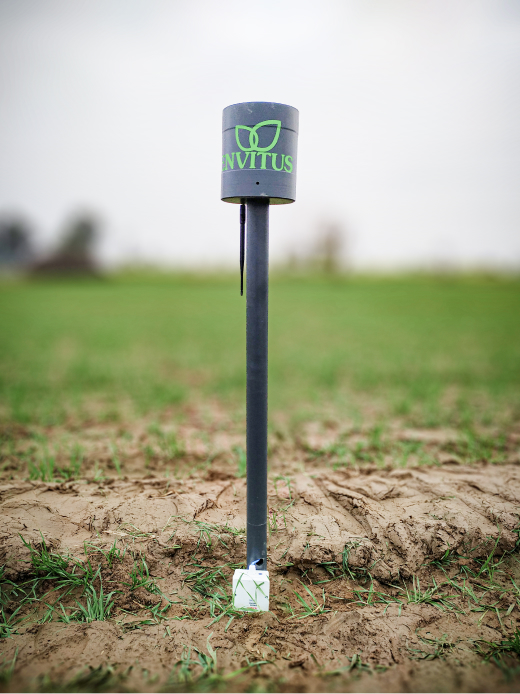
Start with the crop, soil, irrigation areas and information your team needs to review.
Review moisture changes at selected locations alongside crop water requirements and weather conditions. Use a placement plan that represents the areas you manage.
Collect selected soil parameters for agronomic review. Define the measurement method and how field records will be compared with soil tests and crop requirements.
Bring compatible soil monitors, weather stations and water level devices into a defined monitoring workflow. Scope any connection to existing farm management or control systems.
The selected model and probes determine the available parameters. Agree the method, units and verification requirements for each measurement.
Each datasheet describes the configuration identified in that document. Confirm the exact model, sensor method, communications and power arrangement for your installation.
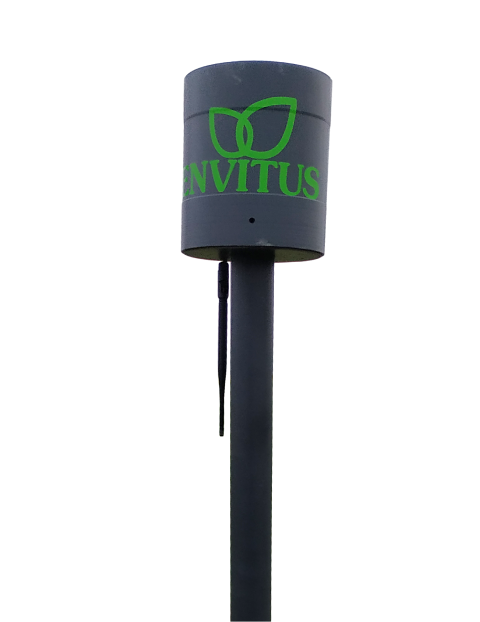
A soil monitoring configuration for moisture and temperature readings. Review the datasheet's probe and communications details for your site.
Request the moisture and temperature datasheet →A nutrient monitoring configuration. Confirm the NPK measurement method and verification plan before using readings in fertilizer decisions.
Request the NPK datasheet →An integrated configuration for selected soil parameters. Review the supported probes, interfaces and installation requirements.
Request the integrated monitor datasheet →Define the role of each component, including any interface to farm equipment.
Collect the selected measurements at defined field locations. Match probes, reporting intervals and installation procedures to the crop and soil.
Edge analytics, on-device AI and local autonomy are available through project-specific configurations. Agree the local task, permitted actions and operating limits.
Review incoming measurements and historical records through the Envitus IoT Platform. Define user access, reporting and any third-party data interfaces.
Scope connections to compatible irrigation or nutrient equipment. Define the control logic, manual intervention and behavior during power or communication interruptions.
Assess the measurements and equipment your farm needs, then define how compatible devices share data with the platform and operating systems.
Explore the Envitus IoT Platform →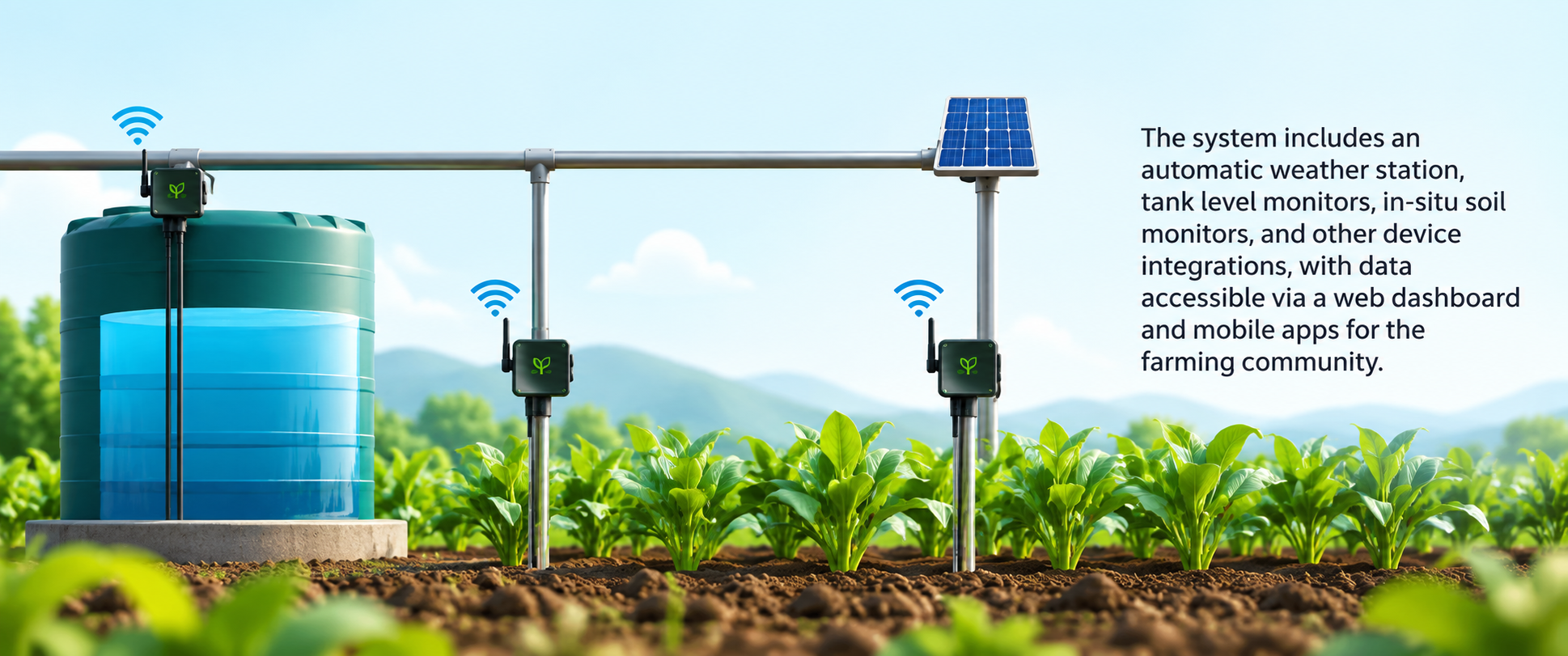
Plan probe locations and depths around the crop root zone, soil variation and irrigation areas. Follow the selected sensor's installation instructions and record the location of each probe.
Agree calibration checks and an appropriate comparison method for the selected sensors. Review nutrient and conductivity readings with laboratory soil tests and agronomic advice when planning fertilizer application.
Keep units, timestamps, probe locations and servicing records with the readings. Define how missing measurements and communication interruptions will be handled.
Planning reference: University of Minnesota Extension guidance on soil moisture sensors.
In-situ soil monitors and weather stations provided moisture, temperature and environmental readings for irrigation and fertilizer planning.
Soil sensors and weather stations supported field monitoring. Envitus data was integrated with a third-party system for farm management.
Share the field conditions and operating requirements so the device and integration scope can be assessed.
Describe the crop, soil types, managed area, irrigation zones and required parameters. Include the proposed probe locations and depths.
Identify available power and network coverage. Review device variants, gateway locations and access for servicing.
Define reporting intervals, users and intended decisions. Agree measurement verification, laboratory comparison and agronomic review where required.
For edge analytics, on-device AI or local autonomy, define the task and operating limits. Identify control equipment, interfaces and manual intervention requirements.
Configurations cover soil moisture and temperature, with selected pH, electrical conductivity or nitrogen, phosphorus and potassium measurements. The parameter set and measurement method depend on the selected model and probe.
Probe locations and depths should represent the crop root zone, soil types and irrigation areas being managed. Agree a site plan using the selected sensor instructions and agronomic guidance. The number of probes depends on the field and monitoring objectives.
Review the sensor method, units and verification procedure with your agronomist. Use field readings alongside representative laboratory soil tests and crop requirements when planning fertilizer application. Electrical conductivity describes a different measurement from individual nutrient concentrations.
Integration with compatible equipment can be scoped for the project. Define the equipment interfaces, control logic, operating limits and responsibility for manual intervention. Automated actions require an agreed control configuration.
The datasheets on this page describe specific soil monitor configurations, including LoRa-based variants. Confirm the device interface, gateway requirements, power and coverage at the installation locations before selecting the network.
These capabilities are available through project-specific configurations. Define the local task, inputs, hardware, firmware and permitted actions. Agree which functions and records remain available during a communication interruption and how the system resumes connected operation.
Each datasheet applies to its stated model and configuration. Confirm the model code, measured parameters, communications, power and installation requirements for the equipment being supplied.
Share your crop, soil conditions, required measurements and irrigation or integration objectives.