
Air quality
Monitor selected pollutants and ambient conditions in buildings, industrial locations and urban networks.
Explore air quality monitoring →Envitus is Alcodex's environmental monitoring product family. Connect air, water, soil and weather measurements with devices and software configured for your sites. Review readings through dashboards, historical records and alerts.
Edge analytics, on-device AI and local autonomy are available through project-specific configurations.
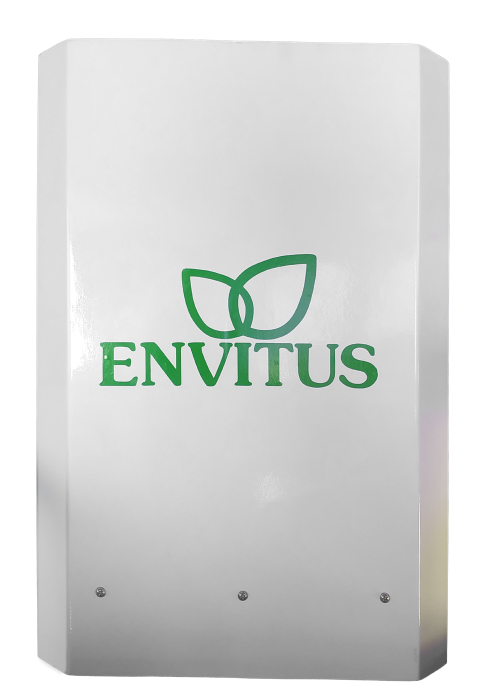
Select the measurements and operating functions around the conditions at your site and the decisions your team needs to make.
Monitor selected pollutants and ambient conditions in buildings, industrial locations and urban networks.
Explore air quality monitoring →Track selected water quality parameters in tanks and water bodies to support investigation and operational management.
Explore water quality monitoring →Use field measurements to review soil conditions and support irrigation and nutrient management decisions.
Explore soil monitoring →Monitor water levels, precipitation and weather conditions for local observation, configured alerts and preparedness.
Explore flood and weather monitoring →Define which work belongs at the device and which information your team needs in the platform. Local processing and shared monitoring support different parts of the same operation.
Analyze sensor measurements at the device. Local processing supports interpretation close to the monitoring point and helps determine which information is passed to the platform.
Apply AI models locally for a defined monitoring task. The model, inputs and processing requirements are selected for the application and the device's capabilities.
Execute configured decision logic at the device within defined operating limits. Local functions and behavior during connection loss are specified as part of the deployment.
The configuration specifies the local task, sensor inputs, processing requirements, operating limits and behavior during communication interruptions.
Field devices provide the measurements. The Envitus IoT Platform gives teams a shared view of monitored locations, with historical data, reporting and configured alerts.
Silent looping footage of Envitus devices, the platform and mobile applications.
Define the role of each component, including any local operating logic. The deployment plan specifies how devices exchange data with the platform.
Collect the parameters needed for the application. The selected sensors determine measurement ranges, sampling and servicing requirements.
Project-specific edge analytics, AI and operating logic process measurements at the device. Storage and actions are defined for that configuration.
Carry readings and supported management data through wired or wireless interfaces. Coverage and transfer requirements shape the network design.
Give users shared views, historical data, configured alerts and integration. Hosting and access are selected for the deployment.
Indoor research deployments and distributed city networks illustrate different ways to configure Envitus air quality monitoring. Review the project scope before selecting the measurements and network for your site.
Review hardware, interfaces, power and installation requirements for the selected configuration.
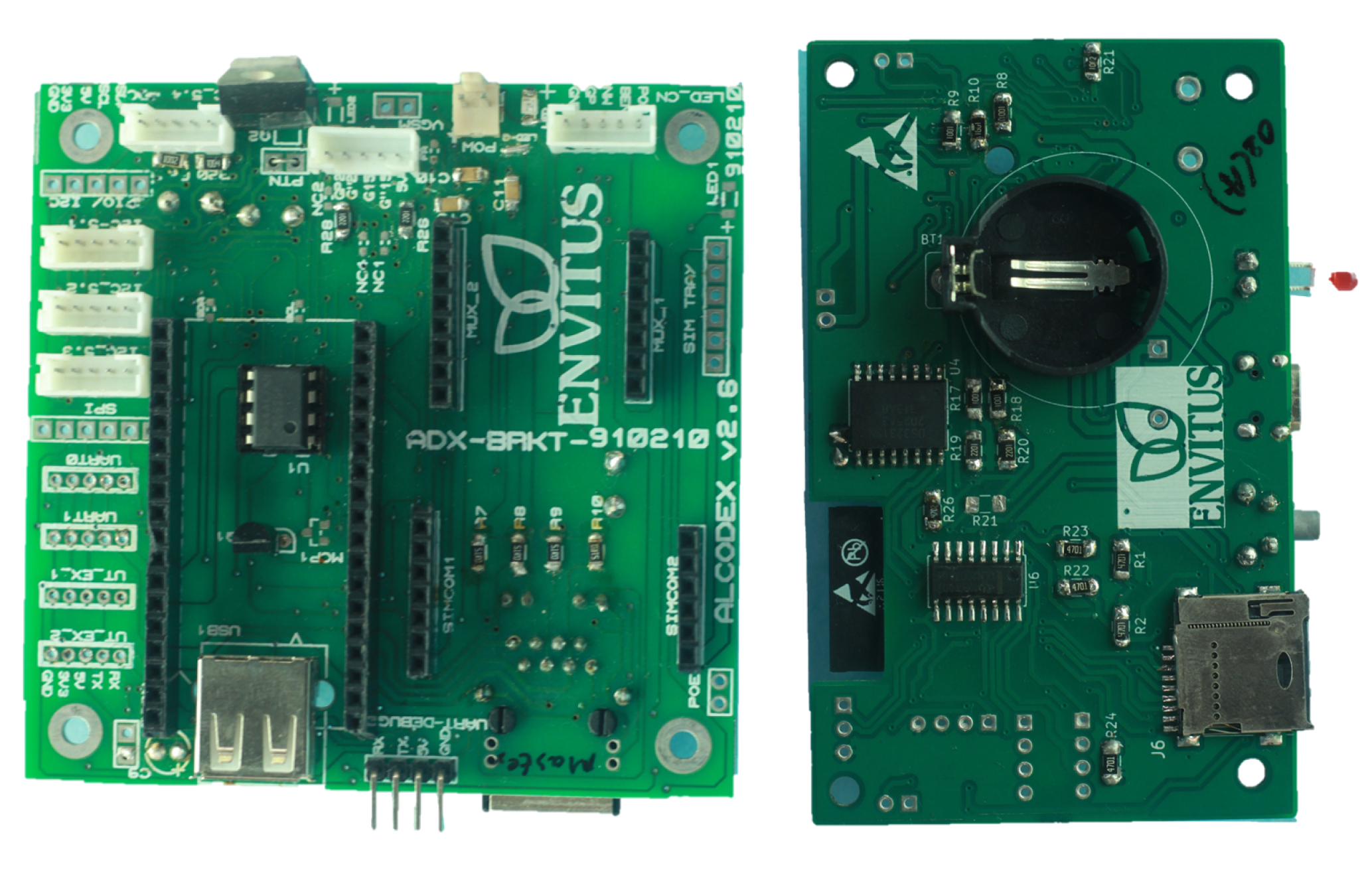
The Envitus Universal Controller Board connects sensors, power modules and communication interfaces. Its modular design supports different monitoring configurations without requiring a separate hardware architecture for each application. The configuration brings together sensing, local processing and the interfaces needed at your site.
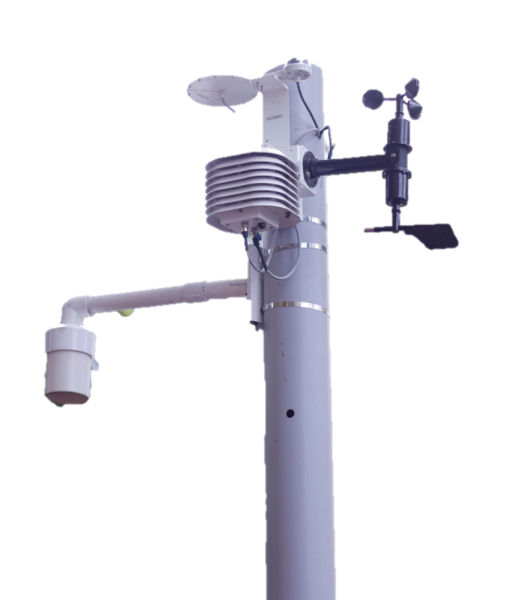
Select sensors, communication modules and power options to match the application. Compatibility and the final device configuration are established during the technical assessment.
Available interfaces include LoRaWAN, NB-IoT, LTE, BLE, RS485, Ethernet and Wi-Fi. Power options include batteries, solar and direct supply, depending on the device and installation.
Choose from Ethernet, RS485, Wi-Fi, BLE, LoRa, LTE and NB-IoT options. Availability depends on the selected hardware and local network coverage.
Wired network connectivity for stationary devices and sites with Ethernet infrastructure.
Wireless connectivity for sites with an available Wi-Fi network.
Serial connectivity for compatible sensors and industrial equipment.
Local device onboarding and diagnostics through compatible mobile devices.
Low-power communication between field devices and a gateway, subject to site conditions and network design.
Cellular connectivity for sites with suitable operator coverage.
Review the ADX LoRa Module specifications, applications and technical features.
Download the module datasheet →The Universal Controller Board coordinates sensor inputs, communication and power modules within an Envitus device.
Daughter boards add sensor inputs, communication interfaces or power management functions to the controller. The required boards are selected for each device configuration.
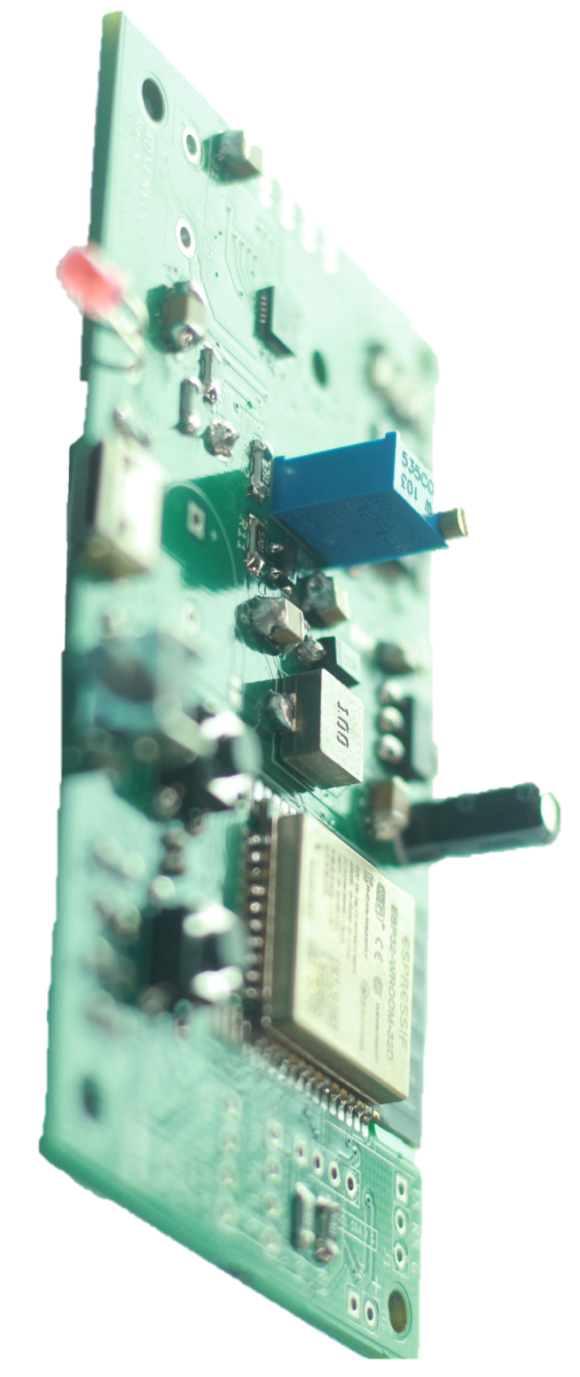
Enclosure options include IP54, IP65 and IP67, depending on the model. Confirm the rating, operating limits and installation requirements in the selected device datasheet.
An enclosure option offering dust protection and resistance to splashing water under specified test conditions.
A dust-tight enclosure option with protection against water jets within the specified test conditions.
A dust-tight enclosure option with protection against temporary immersion under specified conditions. It does not establish all operating or weather limits for the device.
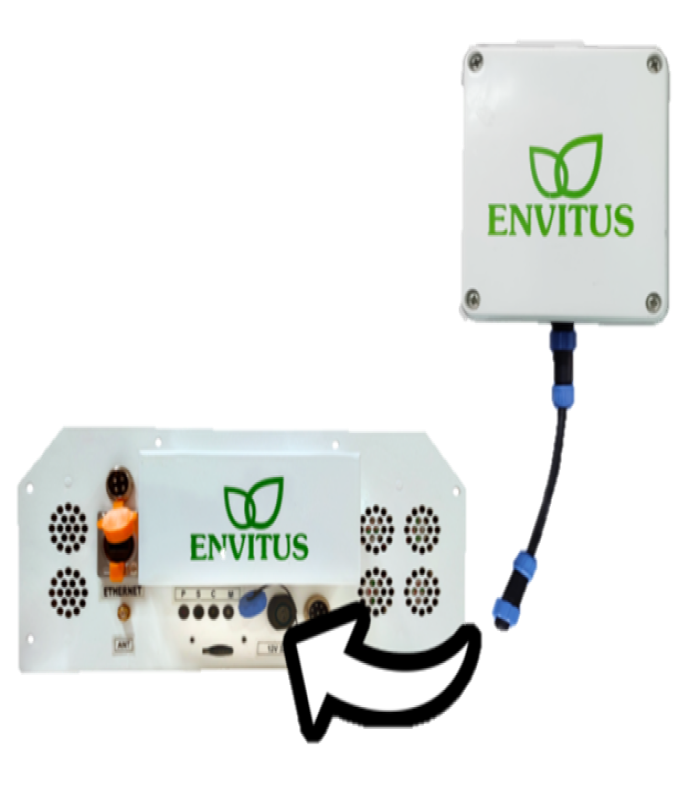
Battery, solar and direct supply configurations support different installation needs. Power selection depends on the sensors, communication method and intended operating conditions.
Envitus supports sensor configurations for air, water, soil and weather monitoring. The parameter list, measurement method and number of sensors depend on the selected device.
Review identity management, data protection and recovery requirements as part of the platform deployment assessment.
Discuss requirements for data in transit and stored data separately, including the controls available for your hosting configuration.
Token-based authentication and SSO integration options support controlled access to the platform.
Confirm backup, recovery and availability arrangements for the selected deployment before implementation.
Explore application details and the software your team will use to manage devices, review data and connect to other systems.
Start with the measurement and operating requirements. Then agree the device configuration, local functions and information your team needs.
Identify the site, required parameters, measurement conditions and decisions the data must support.
Select sensing and define any project-specific edge analytics, AI or local operating logic you need.
Review power, communications, installation, platform access, integration and maintenance requirements.
Envitus is Alcodex's environmental monitoring product family. It brings together sensing devices, communications and the Envitus IoT Platform for air, water, soil and weather monitoring. Devices and software functions are selected for the application.
These functions run at the device in project-specific configurations. Edge analytics processes local measurements, on-device AI applies a model to a defined task, and local autonomy executes configured operating logic. The hardware, firmware, inputs and operating limits are agreed for the project.
The platform provides shared dashboards, historical records, configured alerts, device management and data integration. Its role is defined alongside the functions performed locally by the devices.
The selected device and project configuration determine which local functions remain available, what data is stored and how it is transferred after reconnection. Platform views and remote notifications depend on the required communications and hosting services. These arrangements are defined before deployment.
Integration with compatible devices and systems can be assessed through supported interfaces and APIs. The review covers protocols, data fields, authentication, transfer frequency and the workflow that the integration must support.
Share the application, locations, required measurements, reporting needs and available power and networks. Include any local processing task, existing-system interfaces, access requirements and maintenance constraints. The review identifies the device, platform and integration scope.
Share the conditions you need to measure, the decisions you want to support and the local functions your operation requires.
Plan your Envitus configuration