
Storage tanks and building water systems
Add monitoring to a compatible tank where facilities teams need records of selected water conditions. Review the sensor mounting, access and reporting requirements for the building.
Connect selected water measurements from storage tanks, lakes and other water bodies through Envitus. Review site readings, historical records and threshold alerts in a shared monitoring platform.
Storage tanks and natural water bodies have different installation and servicing requirements. The measurement objective determines the sensor and data configuration.
Add monitoring to a compatible tank where facilities teams need records of selected water conditions. Review the sensor mounting, access and reporting requirements for the building.
Collect observations for a defined environmental monitoring objective. Select the measurement locations, probe arrangement and maintenance approach for the site.
Add compatible probes and monitoring equipment to an existing tank. Assess the measurement locations, mounting, power and communications before installation.
Plan access for cleaning, calibration and servicing. Configure reporting intervals and alerts around the readings your facilities team needs to investigate.
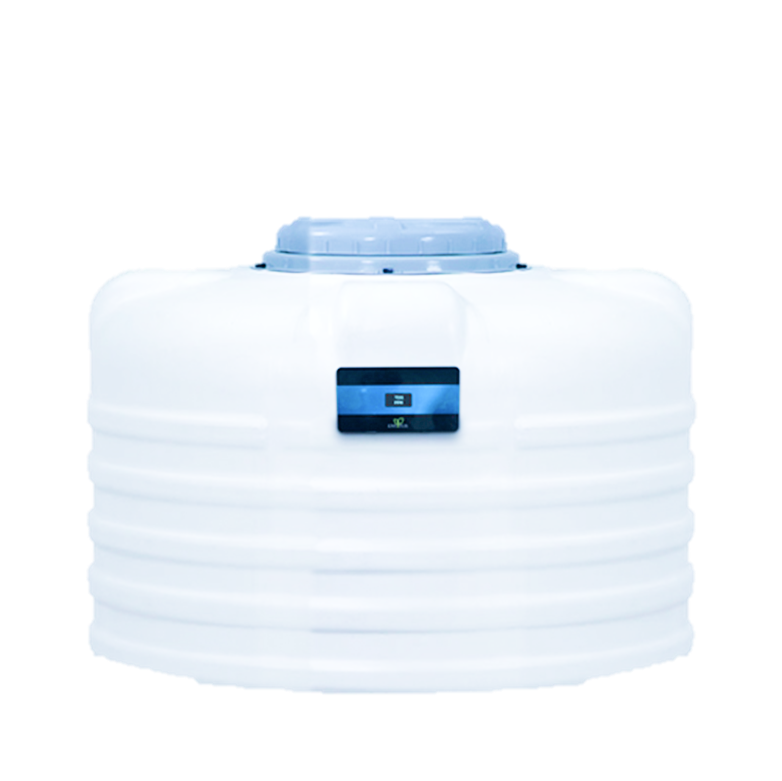
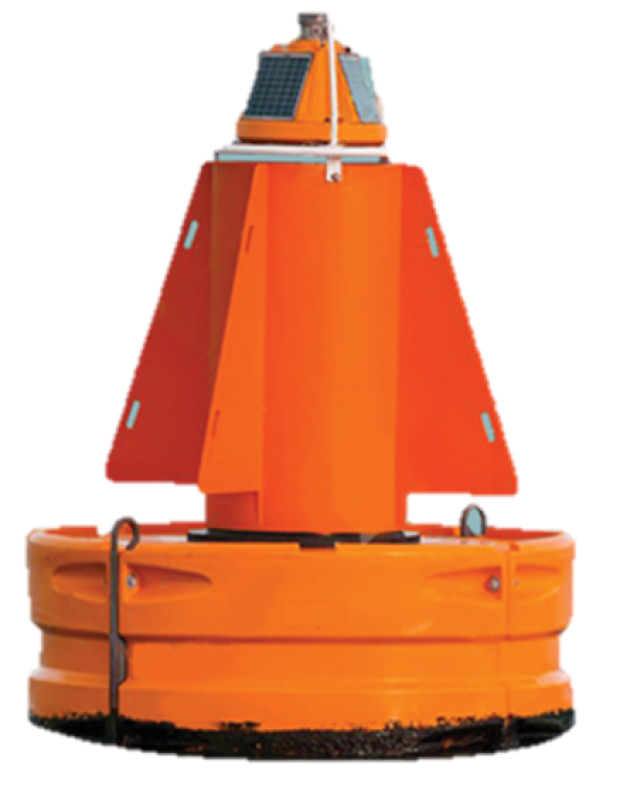
Collect selected measurements at defined locations in lakes, rivers and other water bodies. Review changes over time alongside the site context and observations from the operating team.
Assess probe placement, mounting or mooring, available power and network coverage. The installation must provide access for inspection and sensor servicing.
The selected sensors determine which parameters are measured and how they are reported. Confirm the measurement methods and operating limits for the configuration.
Total dissolved solids (TDS) reporting can also form part of a configuration. Confirm whether the value is measured or calculated, the method used and the reporting units. Additional parameters require their own measurement methods and compatible instruments.
Read USGS explanations of water quality parameters (opens in a new tab).
Define the functions performed by the devices and the information shared through the platform. Communications, access and integration are selected for the deployment.
The selected probes collect the required parameters. Measurement methods, ranges and reporting intervals are specified for the application.
Project-specific configurations can add edge analytics, on-device AI and local autonomy. Define the local task, operating limits and behavior during communication interruptions.
Bring readings into dashboards and historical records. Agree alert thresholds, recipients and the workflow for investigating a change.
Configure web or mobile access for the intended users. Application programming interfaces (APIs) support data exchange with compatible systems through agreed interfaces.
Monitoring provides records of the parameters measured by the selected instruments. The assessment plan defines how readings are evaluated, what further tests are needed and who is responsible for follow-up.
Selected sensor readings alone do not establish drinking-water safety. Assessment must address relevant hazards, appropriate testing and risk management for the supply and its intended use.
Read WHO drinking-water quality guidance (opens in a new tab)
Choose measurements and sampling around the environmental question. Review readings with site observations and sensor condition before drawing conclusions about a change in the water body.
Carlson Trophic State Index uses chlorophyll-a, total phosphorus or Secchi depth data to describe a lake's trophic state. A project requiring this index needs suitable measurement methods and an agreed reporting configuration.
These inputs should not be assumed to come from the basic sensor set. Read Carlson's published lake index reference (opens in a new tab).
Share the water environment and operating requirements so the sensor, platform and servicing arrangements can be assessed together.
Describe the water environment, intended use and required parameters. Identify ranges, methods and any additional field or laboratory measurements needed for the assessment.
Review mounting, immersion, exposure and access. Agree cleaning, calibration, verification and maintenance records for the selected probes.
Define available power and communications, reporting intervals and data handling. Confirm measurement units, missing-data records and storage or reconnection behavior.
Identify thresholds, recipients and response responsibilities. Any project-specific edge processing or control interface needs a defined task and agreed operating limits.
Configurations can include pH, temperature, turbidity, oxidation-reduction potential, dissolved oxygen, conductivity and total dissolved solids. The selected sensors determine the parameters, measurement ranges and methods. Confirm how any calculated values are produced and reported.
Compatible tanks can be assessed for retrofit monitoring. The review covers the required measurements, probe mounting, access, power and communications. Installation and servicing arrangements are defined for the tank and selected equipment.
The installation should reflect the water environment and monitoring objective. Probe placement, immersion, mounting or mooring, exposure and access for servicing can differ between a storage tank and a lake or river. The equipment and data workflow are selected for the site.
Review the selected sensor methods, ranges and operating conditions. Agree calibration, verification, cleaning and servicing procedures, with records of checks and maintenance. Define how missing readings, sensor issues and measurement units will be handled in the dataset.
A selected sensor set measures only its configured parameters. Those readings alone do not establish drinking-water safety. The assessment must address relevant hazards, appropriate testing and risk management for the supply and its intended use.
Carlson Trophic State Index uses chlorophyll-a, total phosphorus or Secchi depth data. Suitable measurement methods must provide the required inputs. They should not be assumed to come from a basic pH, temperature or turbidity sensor set.
Edge analytics, on-device AI and local autonomy are available through project-specific configurations. The local task, hardware, firmware, connected equipment and operating limits are agreed for the deployment.
Communications and integration are assessed against device compatibility and site infrastructure. Agree the supported interfaces, data fields, authentication and transfer frequency. The Envitus IoT Platform provides access and API-based data exchange for the configured workflow.
Share the sites, required parameters, available power and networks, and how your team intends to use the data.